Unlock Your Child's Potential with Piano Lessons
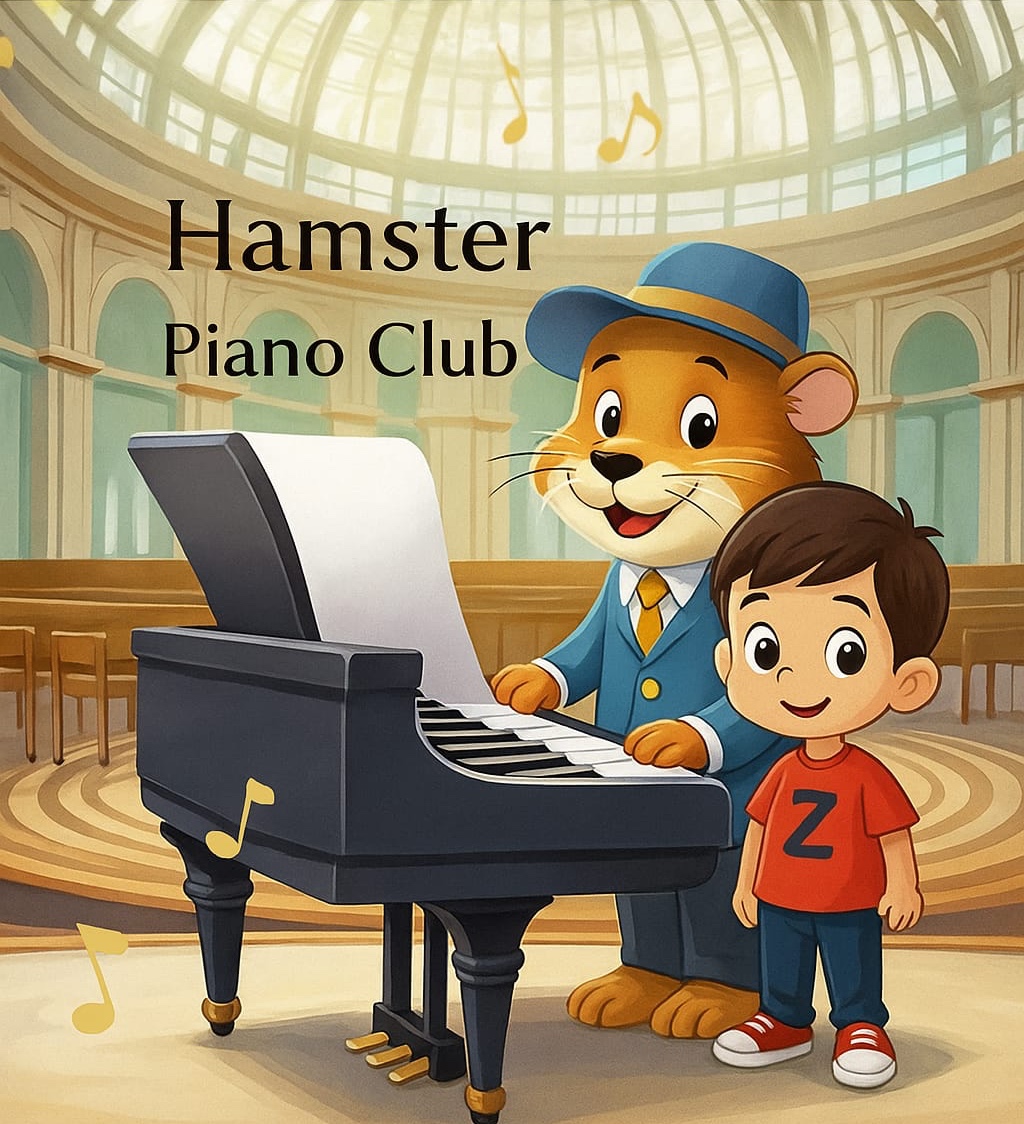
Learning to play the piano can be a transformative experience for children. Not only does it provide a creative outlet, but it also fosters essential life skills that can benefit them in various aspects of their lives. In this blog post, we will explore how piano lessons can unlock your child's potential, enhance their cognitive abilities, and instill a sense of discipline and perseverance.

The Cognitive Benefits of Learning Piano
Research has shown that learning to play an instrument, particularly the piano, can have significant cognitive benefits for children. Here are some key areas where piano lessons can enhance your child's brain development:
Improved Memory
Playing the piano requires memorization of notes, rhythms, and pieces. This practice can improve both short-term and long-term memory. Children who engage in regular piano practice often find that their overall memory skills improve, which can translate to better performance in school.
Enhanced Language Skills
Studies indicate that children who learn to play an instrument develop better language skills. The process of reading music and translating it into sound helps strengthen the brain's ability to process language. This can lead to improved reading and comprehension skills.
Increased Attention Span
Learning to play the piano requires focus and concentration. Children must pay attention to their hand movements, the music, and the rhythm. This practice can help increase their attention span, making it easier for them to concentrate on tasks in school and at home.
Emotional and Social Development
Beyond cognitive benefits, piano lessons also contribute to emotional and social growth. Here are some ways in which learning the piano can positively impact your child's emotional well-being:
Boosted Self-Esteem
Mastering a new piece of music or achieving a personal goal in piano can significantly boost a child's self-esteem. As they progress in their lessons, they gain a sense of accomplishment that can enhance their confidence in other areas of life.
Emotional Expression
Music is a powerful medium for emotional expression. Learning to play the piano allows children to express their feelings in a constructive way. This can be especially beneficial for children who may struggle to articulate their emotions verbally.
Social Skills
Piano lessons often involve group classes or recitals, providing children with opportunities to interact with peers. These social interactions can help them develop important social skills, such as teamwork, communication, and empathy.
Discipline and Perseverance
One of the most valuable lessons children can learn from piano lessons is the importance of discipline and perseverance. Here’s how piano practice instills these qualities:
Regular Practice
To become proficient at the piano, consistent practice is essential. Children learn to set aside time each day to practice, which teaches them the value of commitment and routine. This discipline can carry over into their academic and personal lives.
Overcoming Challenges
Learning to play an instrument is not without its challenges. Children will encounter difficult pieces and frustrating moments. Through piano lessons, they learn to face these challenges head-on, developing resilience and problem-solving skills.
Choosing the Right Piano Teacher
Selecting the right piano teacher is crucial for your child's success and enjoyment in learning. Here are some tips to help you find the best fit:
Look for Qualifications
Ensure that the teacher has the necessary qualifications and experience. A good piano teacher should have a solid background in music education and performance.
Teaching Style
Every child learns differently. Some may thrive in a structured environment, while others may prefer a more relaxed approach. Discuss your child's learning style with potential teachers to find the best match.
Trial Lessons
Many teachers offer trial lessons. Take advantage of this opportunity to see how your child interacts with the teacher and whether they feel comfortable.
Setting Goals for Piano Learning
Setting clear goals can help keep your child motivated and focused during their piano journey. Here are some goal-setting strategies:
Short-Term Goals
Encourage your child to set short-term goals, such as learning a new piece or mastering a specific technique. These smaller milestones can provide a sense of achievement and keep them engaged.
Long-Term Goals
Discuss long-term goals as well, such as preparing for a recital or participating in a music competition. Having a larger objective can help maintain motivation over time.
Celebrate Achievements
Celebrate your child's achievements, no matter how small. Acknowledging their progress can boost their confidence and encourage them to continue their musical journey.
Incorporating Piano into Daily Life
To maximize the benefits of piano lessons, consider incorporating music into your child's daily routine. Here are some ideas:
Family Music Time
Set aside time for family music sessions where everyone can participate. This can create a fun and supportive environment for your child to practice and share their progress.
Attend Concerts
Expose your child to live music by attending concerts or recitals. This can inspire them and deepen their appreciation for music.
Encourage Creativity
Encourage your child to compose their own music or improvise on the piano. This can foster creativity and help them develop a personal connection to their instrument.
Conclusion
Piano lessons offer a wealth of benefits that can unlock your child's potential in various ways. From cognitive development to emotional growth, the skills learned through piano can have a lasting impact on their lives. By choosing the right teacher, setting achievable goals, and incorporating music into daily life, you can support your child's musical journey and help them thrive.
As you consider enrolling your child in piano lessons, remember that this journey is not just about learning to play an instrument. It’s about nurturing their creativity, building confidence, and equipping them with valuable life skills. Start today, and watch your child flourish through the power of music!


Comments